



Product

Solutions

Why TrueContext

Pricing

Resources

close

Product

Solutions

Why TrueContext

Pricing

Resources

west

PLATFORM

Field Service Intelligence Platform

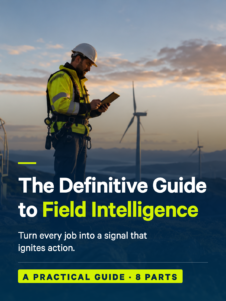
The Definitive Guide to Field Intelligence

INTEGRATIONS

ServiceNow

Salesforce

ServiceMax

Microsoft

REST API

View all integrations

WHAT WE DO

Enhanced Operations

Self-Learning Field Service

Mobile Forms App

Smart, Context-Aware Forms

Workflow Creation

AI-Augmented Guided Workflows

Field Intelligence Innovation

From raw data to operational direction

Compliance & Security

Enterprise-Grade Security and Compliance

west

MOST COMMONLY USED FOR

Installation

More assets in less time with guided workflows

Maintenance & Repair

Improve asset uptime with predictive maintenance

Inspections & Compliance

Optimize your operational excellence

Environment, Health & Safety

Protect workers, the public, and the environment

INDUSTRIES WE SERVE

Industrial Equipment

Power asset performance and human safety

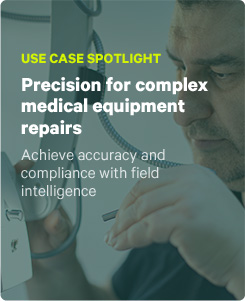
Medical Equipment

Precision for sophisticated instrumentation

Oil & Gas

Operational excellence across the energy stream

Field Service

Break new ground in productivity, quality, and safety

Use Case Spotlight

west

THE TRUECONTEXT ADVANTAGE

Field Intelligence

Collect, Analyze, Optimize

Operational Intelligence

Rich, Insightful, Predictive

Augmented Technicians

Connected, Informed, Amplified

Connected Worker

Smarter, Safer, AI-Augmented

Operational Agility

Intelligent, Accelerated, Efficient

MAKING THE SWITCH

Internal Development vs. TrueContext

A Strategic Comparison

Rapid Migration

From paper or legacy systems

Deployment Services

Dedicated expertise, enhanced support

Resource Spotlight

west

EXPLORE

Customer Stories

TrueContext applied in enterprise environments

Webinar & Events

Explore emerging trends with us at upcoming events

Blog

Stories and insights from the field

LEARN

Knowledge Base

Answers to the most common product questions

Product Documentation

TrueContext features, usage, and technical details

TrueContext University

Hands-on training to optimize your deployment

Resource Library

Content for your industry and application

CONNECT

Community

Collaborate with industry peers

Contact Support

Having trouble? Ask our product support team

Talk to Sales

See how TrueContext can help your business

Become a Partner

Join our growing partner network

Ebook

AI trust and ethics in field service

AI trust and ethics in the field

No technician adoption, no field intelligence. Trust is earned in front of the asset, and guardrails belong where the cost of error is high.

The core idea
“The intelligence everyone wants is downstream of adoption, and adoption is downstream of trust.”

Adoption is the ground every AI strategy stands on

Everything upstream runs through one decision
The models The data layer The recommendations A technician, in front of the asset, deciding whether to act on it

Every field intelligence strategy depends on a moment that is rarely considered: a technician, standing in front of an asset, deciding whether to trust what the system is telling them and whether to use the recommendation at all.

Everything upstream runs through that decision: the models, the data layer, the recommendations. And it is a decision the organization does not get to make on the technician’s behalf.

This is the part of AI in the field that gets the least attention and carries the most risk. You cannot extract insight from a system that people work around. The most advanced recommendation is worth nothing if the technician ignores it, overrides it without a thought, or keeps running the job from a paper copy in the truck. Adoption is the ground that any organization’s AI strategy stands on.

Hesitation is a rational technician reaction

It is tempting to treat technician resistance as a change management problem. It is more useful to treat it as data. A technician who hesitates is usually responding to experience: a tool that has been wrong before, an interface that slows them down, a suggestion that does not match what they can see with their own eyes.

And hesitation compounds. The first unhelpful recommendation teaches the technician to read the next one with suspicion. A few of those, and the system loses the benefit of the doubt entirely. In the State of Field Service in 2026, weak adoption processes and workforce readiness rank well ahead of outright resistance to change. Technicians don’t refuse good tools. They learn to work around bad ones.

How trust compoundsEight jobs with a new AI tool. Tap a job to flip its recommendation between useful and wrong, and watch the technician’s trust.Bars show a trust score out of 100. Illustrative model, not survey data.
Acts on it Double-checks it Works around it
60
65
72
56
61
66
50
22
25
Job · tap to flip
Start
After eight jobs · Works around itTrust went from 60 to 25 out of 100. Getting back to acting on it would take 10 more useful jobs in a row. Back-to-back misses cost the most.
When AI is genuinely useful
4 in 10cases where agents reached for AI assistance
33%faster resolution on those cases
One organization in the State of Field Service in 2026. No mandate produces reliance like that. Usefulness does.
The technician is accountable for the work, but the model is not.

Accountability sits with the person, not the model

There is a structural asymmetry at the center of field service AI. The technician signs the report, faces the customer, and owns the consequences if the job goes wrong. The AI that recommended the action bears none of it. It does not get the callback.

So a recommendation cannot be a command followed on blind faith, because faith is not something a person can put their name to. It has to be advice they can evaluate, and that is only possible if they can see the reasoning behind it. Reasoning that stays hidden gets ignored, and should be.

Who carries itTechnicianModel
Signs the report
Faces the customer
Owns the consequences
Gets the callback
AI recommendation · pump P-210 Replace the drive-end bearing
No reasons given. Follow it, or don’t.
Why this partVibration on this model matches drive-end bearing wear.
Why this stepThe housing is already open for this job.
Why nowThe same pattern preceded its last failure by eight weeks.
A command on faith. The technician signs for a decision they were never given the tools to reach.

The AI advises. The human decides.

Once accountability and transparency are clear, the autonomy question answers itself. The technician on site has context the model might not. The asset may not match its digital record. A customer constraint may change what counts as a routine job. A system that removes their ability to act on real-world conditions misunderstands where the judgment lives.

The discipline is to design for override, then treat overrides as instructions for future optimization rather than disobedience. An override is the system and the expert negotiating toward a better answer, which is the relationship you want in the field.

At the asset, the technician
Step 1AI recommendsReplace the drive-end bearing.
Step 2Technician overridesThe asset in front of them does not match the record.
Step 3Override flaggedRouted back as signal, not logged as adoption failure.
Step 4System correctedThe model, the data, or the workflow gets fixed.

Compliance is where the stakes change

For most fieldwork, a wrong recommendation costs a little time. In regulated work, a confidently incorrect output in a safety inspection or compliance procedure becomes a liability. AI is perfectly capable of stating a fabricated requirement or a wrong threshold with the same confidence it brings to a correct answer.

That is why trust in the field cannot rest on good intentions. It has to rest on frameworks built before anything goes wrong. None of this slows the operation down. It is what lets an organization extend AI into high-stakes work at all, rather than fencing it out.

Routine workA wrong recommendation costs a little time.
Regulated workA confident wrong answer becomes a liability with real consequences.
Guardrails, built before anything goes wrong

Constrain AI where the cost of error is high

Keep a human in the loop on regulated steps, by design

Log what the system recommended next to what the technician did

Decide in advance who answers for an AI-influenced decision that goes wrong

No adoption, no intelligence

Adoption is downstream of trust. Intelligence is downstream of adoption.

The field intelligence the whole organization is reaching for does not begin in the data warehouse. It starts with whether the technician opens the app, follows the workflow, and trusts the guidance enough to act on it. A frustrated technician working around the tool is a data collection failure, and a critical one.

Earn the technician’s trust, and you get the data that powers smarter field operations. Lose it, and you are left with a sophisticated system that does not get used by the very people who can make it worth using.

Go deeper · 8-part guide

The definitive guide to field intelligence

Build the foundation this report says AI depends on: what field intelligence is, how it works, and how to make it real in your operation.

Read the guide
Diagnostic · The trust test

Concrete steps towards earning technician trust

Tick what is already true of your operation today. The gaps show where trust is being lost.

01Earn it by being useful, not by mandate
0 / 3
02Show the reasoning, every time
0 / 2
03Keep the human deciding, and listen to overrides
0 / 2
04Build guardrails before the high-stakes moments
0 / 4
0of 11 in place
Tick what is true todayEvery line is a step operations can take this quarter.
End of the report · What to do next

Find out what your AI would inherit today.

Start where the chain starts: pull ten closed work orders, run the diagnostics in this report, and see which links hold.

Run the diagnostics on one real workflow and one equipment class.
Fix capture and context first. Nothing downstream recovers what the source lost.
Give operations the ability to change the workflow in days, not quarters.

AI trust and ethics in the field

No technician adoption, no field intelligence. Trust is earned in front of the asset, and guardrails belong where the cost of error is high.

The core idea

“The intelligence everyone wants is downstream of adoption, and adoption is downstream of trust.”

Adoption is the ground every AI strategy stands on

Everything upstream runs through one decision

The models
The data layer
The recommendations

A technician, in front of the asset, deciding whether to act on it

Every field intelligence strategy depends on a moment that is rarely considered: a technician, standing in front of an asset, deciding whether to trust what the system is telling them and whether to use the recommendation at all.

Everything upstream runs through that decision: the models, the data layer, the recommendations. And it is a decision the organization does not get to make on the technician's behalf.

This is the part of AI in the field that gets the least attention and carries the most risk. You cannot extract insight from a system that people work around. The most advanced recommendation is worth nothing if the technician ignores it, overrides it without a thought, or keeps running the job from a paper copy in the truck. Adoption is the ground that any organization's AI strategy stands on.

Hesitation is a rational technician reaction

It is tempting to treat technician resistance as a change management problem. It is more useful to treat it as data. A technician who hesitates is usually responding to experience: a tool that has been wrong before, an interface that slows them down, a suggestion that does not match what they can see with their own eyes.

And hesitation compounds. The first unhelpful recommendation teaches the technician to read the next one with suspicion. A few of those, and the system loses the benefit of the doubt entirely. In the State of Field Service in 2026, weak adoption processes and workforce readiness rank well ahead of outright resistance to change. Technicians don't refuse good tools. They learn to work around bad ones.

How trust compoundsEight jobs with a new AI tool. Tap a job to flip its recommendation between useful and wrong, and watch the technician's trust.Bars show a trust score out of 100. Illustrative model, not survey data.
Acts on it
Double-checks it
Works around it
60

65

72

56

61

66

50

22

25

Job · tap to flip

Start

After eight jobs · Works around itTrust went from 60 to 25 out of 100. Getting back to acting on it would take 10 more useful jobs in a row. Back-to-back misses cost the most.

When AI is genuinely useful

4 in 10cases where agents reached for AI assistance
33%faster resolution on those cases

One organization in the State of Field Service in 2026. No mandate produces reliance like that. Usefulness does.

The technician is accountable for the work, but the model is not.


Accountability sits with the person, not the model

There is a structural asymmetry at the center of field service AI. The technician signs the report, faces the customer, and owns the consequences if the job goes wrong. The AI that recommended the action bears none of it. It does not get the callback.

So a recommendation cannot be a command followed on blind faith, because faith is not something a person can put their name to. It has to be advice they can evaluate, and that is only possible if they can see the reasoning behind it. Reasoning that stays hidden gets ignored, and should be.

Who carries itTechnicianModel
Signs the report
Faces the customer
Owns the consequences
Gets the callback


AI recommendation · pump P-210
Replace the drive-end bearing

No reasons given. Follow it, or don't.
Why this partVibration on this model matches drive-end bearing wear.
Why this stepThe housing is already open for this job.
Why nowThe same pattern preceded its last failure by eight weeks.

A command on faith. The technician signs for a decision they were never given the tools to reach.


The AI advises. The human decides.

Once accountability and transparency are clear, the autonomy question answers itself. The technician on site has context the model might not. The asset may not match its digital record. A customer constraint may change what counts as a routine job. A system that removes their ability to act on real-world conditions misunderstands where the judgment lives.

The discipline is to design for override, then treat overrides as instructions for future optimization rather than disobedience. An override is the system and the expert negotiating toward a better answer, which is the relationship you want in the field.

At the asset, the technician


Step 1AI recommendsReplace the drive-end bearing.
Step 2Technician overridesThe asset in front of them does not match the record.
Step 3Override flaggedRouted back as signal, not logged as adoption failure.
Step 4System correctedThe model, the data, or the workflow gets fixed.

Compliance is where the stakes change

For most fieldwork, a wrong recommendation costs a little time. In regulated work, a confidently incorrect output in a safety inspection or compliance procedure becomes a liability. AI is perfectly capable of stating a fabricated requirement or a wrong threshold with the same confidence it brings to a correct answer.

That is why trust in the field cannot rest on good intentions. It has to rest on frameworks built before anything goes wrong. None of this slows the operation down. It is what lets an organization extend AI into high-stakes work at all, rather than fencing it out.

Routine workA wrong recommendation costs a little time.
Regulated workA confident wrong answer becomes a liability with real consequences.

Guardrails, built before anything goes wrong

Constrain AI where the cost of error is high

Keep a human in the loop on regulated steps, by design

Log what the system recommended next to what the technician did

Decide in advance who answers for an AI-influenced decision that goes wrong

No adoption, no intelligence

Adoption is downstream of trust. Intelligence is downstream of adoption.

The field intelligence the whole organization is reaching for does not begin in the data warehouse. It starts with whether the technician opens the app, follows the workflow, and trusts the guidance enough to act on it. A frustrated technician working around the tool is a data collection failure, and a critical one.

Earn the technician's trust, and you get the data that powers smarter field operations. Lose it, and you are left with a sophisticated system that does not get used by the very people who can make it worth using.

Go deeper · 8-part guide

The definitive guide to field intelligence

Build the foundation this report says AI depends on: what field intelligence is, how it works, and how to make it real in your operation.

Read the guide

Diagnostic · The trust test

Concrete steps towards earning technician trust

Tick what is already true of your operation today. The gaps show where trust is being lost.

01Earn it by being useful, not by mandate

0 / 3

02Show the reasoning, every time

0 / 2

03Keep the human deciding, and listen to overrides

0 / 2

04Build guardrails before the high-stakes moments

0 / 4

0of 11 in place
Tick what is true todayEvery line is a step operations can take this quarter.

End of the report · What to do next

Find out what your AI would inherit today.

Start where the chain starts: pull ten closed work orders, run the diagnostics in this report, and see which links hold.

Run the diagnostics on one real workflow and one equipment class.
Fix capture and context first. Nothing downstream recovers what the source lost.
Give operations the ability to change the workflow in days, not quarters.


Johnson Controls empowers 7,000+ technicians
Find out how they fundamentally changed how they do business.
Global company reduces admin burden
See how a global company moved away from spreadsheets.
FLNG facility realizes 332% ROI
Discover how this energy facility eliminated paper forms.

Still have questions?

Book a 15-minute chat to learn how you can make TrueContext work for you.

By submitting this form, you agree to our privacy policy.